26 August 2026
Uncrewed surface vessels (USVs) are moving into active use across ocean survey, security, offshore energy and defense. They must deliver reliable imagery, predictable control and usable data from the start. FLIR Marine designs for that requirement.
Uncrewed surface vessels (USVs) are moving into active use across ocean survey, security, offshore energy and defense. Many operate for extended periods without onboard crew.
On these platforms, cameras are part of the onboard autonomy and control systems. They must deliver reliable imagery, predictable control and usable data from the start.
FLIR Marine designs for that requirement. The FLIR M364C‑USV is built as an imaging system designed for autonomous or remote operation that integrates directly into USV systems, reducing development effort and speeding deployment.
Conventional marine cameras assume an onboard operator. USVs do not. Typical requirements include:
Image quality matters, but so does data output that software can use in real time.
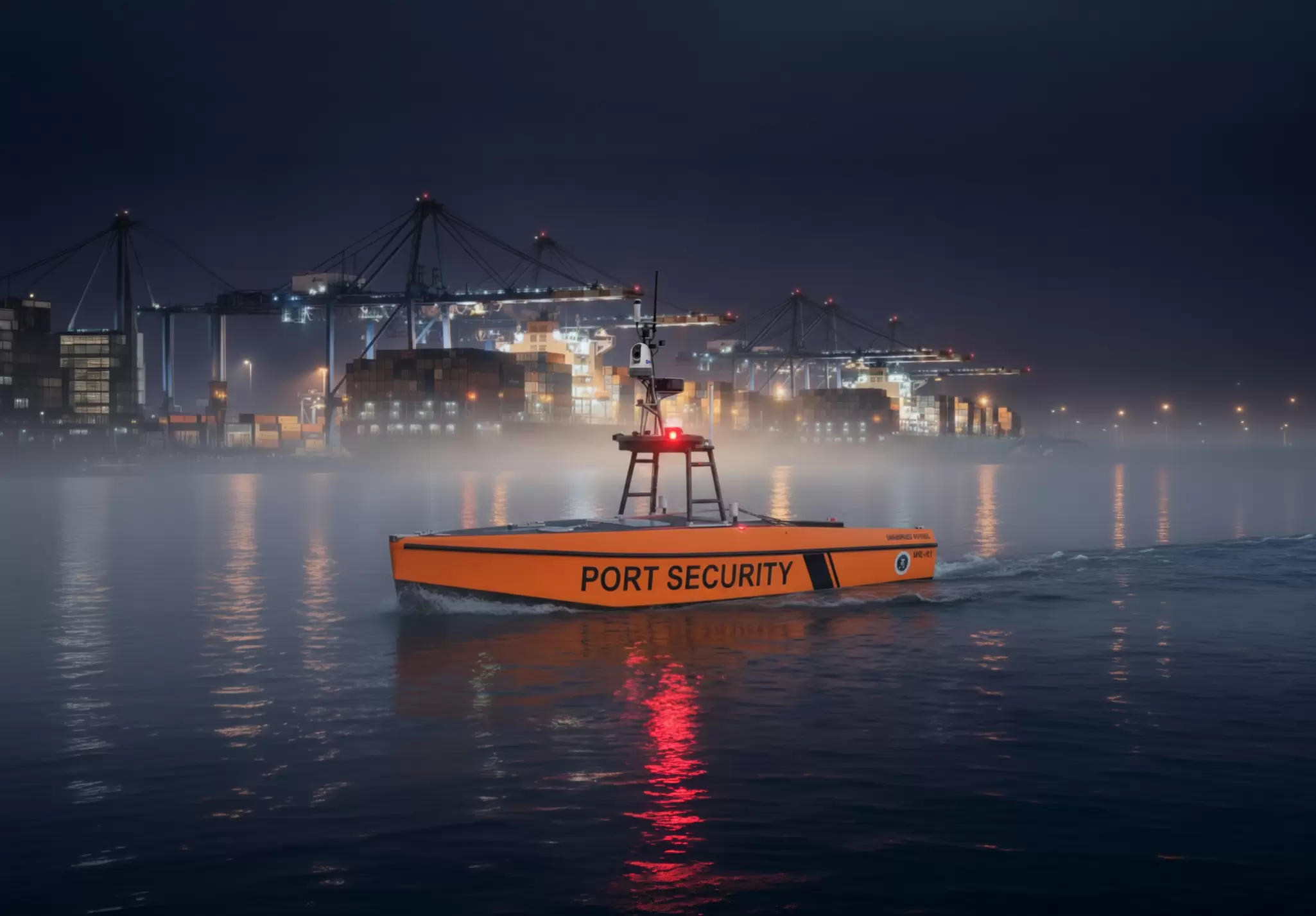
The M364C‑USV is an electro‑optical/infrared (EO/IR) system that combines two primary sensors:
Thermal imaging supports detection in darkness, haze and fog. The visible camera adds detail for identification and scene interpretation, with ultra‑low‑light performance for near‑dark conditions. Together, they support a simple workflow:
This supports both human operators and automated systems working from the same data.
Many USV programs successfully adapt sensors designed for crewed vessels to meet their needs. In some cases, that work can add complexity in control, timing and data alignment. The M364C‑USV is designed for USV integration from the outset, with standard interfaces and tools that support direct integration. It delivers predictable response and aligned data to support control loops, helping streamline development and deployment. M364C‑USV integration features include:
These interfaces support integration into autonomy stacks, remote-control systems and monitoring platforms with minimal custom development.
The FLIR M364C‑USV provides two independent video streams: thermal and visible. On-screen information overlays can be disabled for machine vision applications. This supports:
This gives integrators a choice between operator-ready and data-ready video.
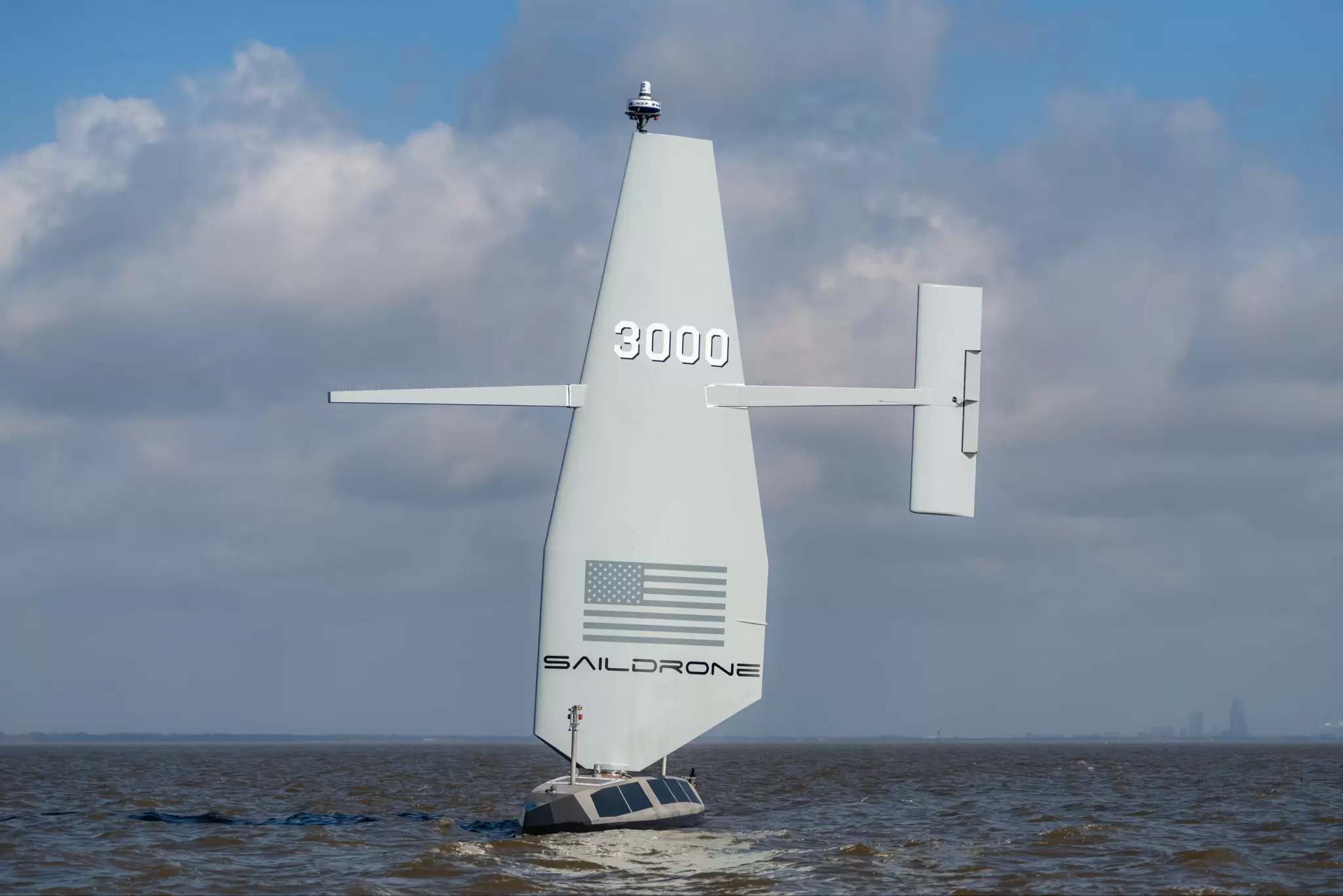
Autonomy systems depend on accurate timing between imagery and position data. When video and telemetry are handled as separate streams, synchronization can add complexity and introduce alignment errors. The M364C‑USV embeds telemetry into the H.264 video stream using Supplemental Enhancement Information (SEI). Each frame can include:
Because metadata is embedded with each frame, there is no need to synchronize separate streams. The system maintains alignment within about one frame, supporting real-time tracking, geolocation, and control.
USVs operate in constant motion, and cameras move during tracking. The M364C‑USV maintains stabilization during active pan and tilt. This supports:
The M364C‑USV uses a reinforced pan-and-tilt driveline designed for:
The system is tested to exceed IEC 60945 shock and vibration requirements.
The FLIR M364C‑USV is part of a broader USV technology portfolio from Teledyne Marine. USV deployments often rely on multiple system layers working together, including:
Together, FLIR Marine and Teledyne combine mission-ready imaging with a wider range of sensing, navigation and software technologies used across USV programs. This depth allows for more integrated solutions, better data alignment across systems, and fewer gaps between sensors and autonomy software.
To discuss your USV application, contact our team here.